
Lithium-ion batteries, as the most mainstream rechargeable battery technology, have developed rapidly in recent years. The energy density and charging speed of new lithium-ion batteries continue to increase, and the cost continues to decline. At the same time, people have also turned part of their attention to improving battery life, safety and so on. Among them, estimating the state of charge ( SOC ) of the battery is one of the effective methods.
In recent years, there are many methods to estimate the SOC of lithium-ion batteries, such as traditional estimation methods, model-based estimation methods and data-driven estimation methods. However, each type of method still has shortcomings. Traditional estimation methods will have significant errors. The accuracy of the model-based estimation method is affected by the complexity of the model. The estimation method of data-driven method requires a lot of calculation. In order to simplify the steps of the estimation method and improve the accuracy of the estimation method, the development of a new method for estimating SOC has become a widespread research goal.
The development of a new SOC estimation method requires the cooperation of advanced test instruments
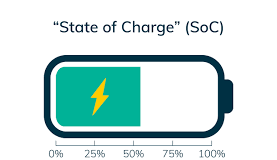
In order to estimate the state of charge of the battery more accurately, the accurate determination of the battery data set under different dynamic test conditions has become the key. Previous battery test equipment often has problems such as insufficient accuracy and slow dynamic data capture, and its application is seriously limited. At the same time, rough data acquisition also makes the calculation fitting encounter many problems.
Therefore, advanced test equipment with high precision has become a necessary choice.
Highlights
- In order to speed up the convergence of the genetic algorithm, a new adaptive genetic algorithm is proposed in the paper.
- The window size for covariance matching of AUKF algorithm is determined by the AGA(AGA-AUKF1) algorithm.
- In order to avoid the uncertainty caused by time-varying EIS, a novel AUKF(AGA-AUKF2) is proposed.
- AGA-AUKF2 with the measurement noise covariance updated by AGA and the process noise covariance updated by CM.
Abstract
NEWARE CT-4000 series – high precision battery testing system
In order to meet the various test requirements of researchers, NEWARE has launched a series of battery test equipments, including CT/CTE-4000 battery test equipments. Recently, NEWARE and Fan Xingming’s team of Guilin University of Electronic Technology have reached a relevant cooperation. The team proposed a new fusion algorithm of adaptive genetic algorithm (AGA) optimized adaptive unscented Kalman filter (AUKF) to estimate the state of charge of the battery. In order to verify the accuracy of the algorithm estimation, the team chose to use NEWARE battery testing system (CT-4008Q-5V6A-S1) to complete the battery data acquisition under different conditions.
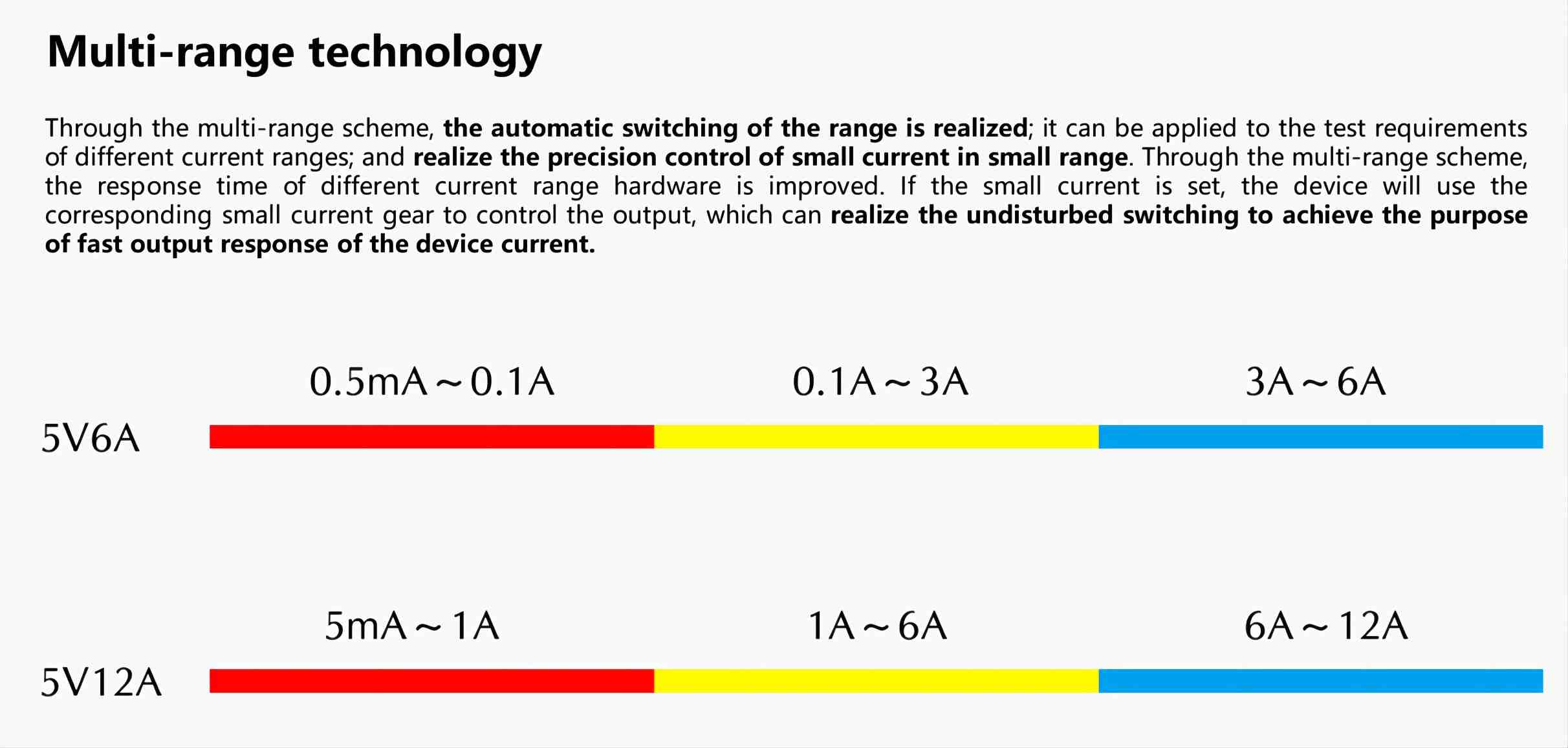
This series of test equipment adopts multi-range technology, which can achieve the purpose of fast output. By using the test instrument, the team obtained a series of accurate battery data sets, further revised the calculation method and successfully confirmed the feasibility of the calculation method.
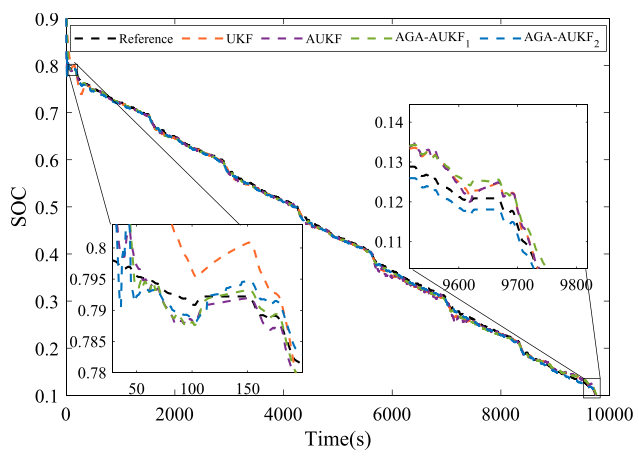
After completing the research, the team also showed that ‘ this high-performance battery testing system provides accurate battery discharge test data and is an indispensable part of the paper.
The corrsponding literatures:https://doi.org/10.1016/j.est.2023.109689