Neware Battery Testing System

NEWS

Home > News

Battery R&D

Battery R&D: Most Characterization Methods and Techniques 2026 post

Most Characterization Methods and Techniques in Battery R&D A systematic characterization framework for battery materials (e.g., lithium/sodium-ion, lithium-sulfur, and solid-state batteries), encompassing structural, electrochemical performance, and interfacial behavior analysis:   1. Structural Characterization Technique Abbr. Analysis Content Judgment Criteria / Standard Scanning Electron Microscopy SEM Surface morphology, particle size, pore structure. Uniform particles; no cracks or agglomeration. Transmission Electron Microscopy TEM Microstructure, lattice fringes, defects. Clear lattice structure; no phase separation. Atomic Force Microscopy AFM Surface roughness, mechanical properties. Solid electrolyte surface roughness <10nm. X-Ray Diffraction XRD Crystal structure, phase purity, lattice parameters. No impurity phases; lattice strain <2%. Neutron Diffraction ND Site occupancy analysis of light elements (Li/H). Clear

solid state battery mold

How to assemble a solid state battery mold? 2026 update

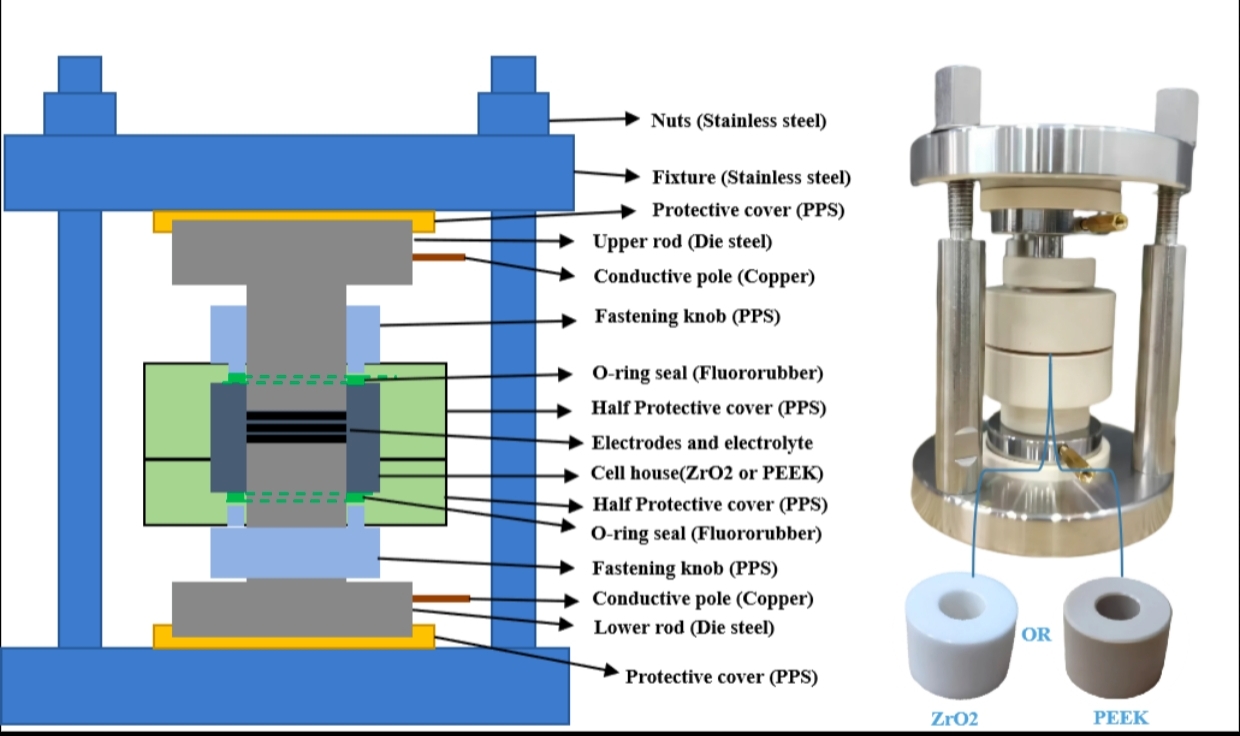
How to assemble a solid state battery mold?   1. For Reference Only Maximum Compressive Capacity: 5T (5 metric tons). Internal Sleeve Material: ZrO2 (Zirconia) or PEEK (Polyether ether ketone). Internal Die and Insulating Sheet Material: PPS (Polyphenylene sulfide). Upper and Lower Electrode Rod Material: 4Cr13 Mold Steel. External Fixture Material: SUS304 Stainless Steel. Electrode Rod Surface Finish: Mirror-polished. Other Processes: Including but not limited to quenching, cryogenic treatment, chamfering, etc. Internal Sleeve Diameter: 10 mm (other specifications customizable). Internal Die Dimensions: Φ44*88mm. External Fixture Dimensions: Φ88*129mm.   2. Structural Component Description   3. Mold battery assembly (inside the glove box) Assembly & Operation Instructions A: Place the ceramic sleeve into

Neware

Neware battery testing system 2026 update

                                                  Neware was founded in 1998. We are trusted by ATL, BYD, CATL, Tesla, Apple, HUAWEI, SolarEdge, etc. We provide battery testing solutions for testing battery cell, module, pack, supercapacitor, BESS, etc. If you want to do capacity, cycle life, pulse, DCIR, GITT, HPPC, or EV driving simulation test, please feel free to contact us.   More: How to assemble and test a three electrode pouch cell? How to set Shuttle Current Test on Neware BTS for lithium-sulfur batteries? 2026 update How to set up PITT

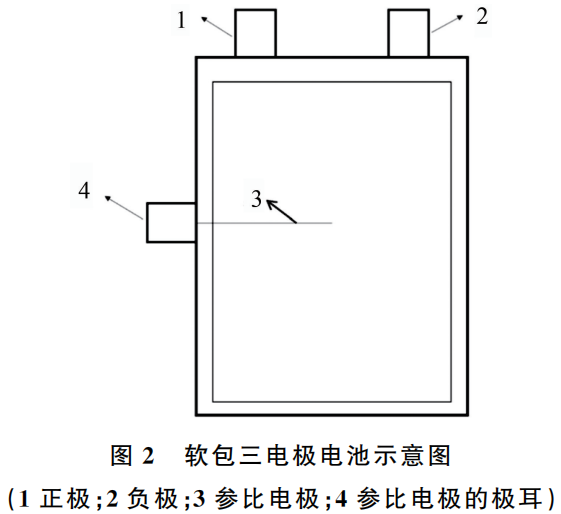
Schematic Diagram of a three electrode pouch cell

How to assemble and test a three electrode pouch cell? 2026 post

How to assemble and test a three electrode pouch cell? The Role of Three-Electrode Systems in Battery Analysis When a battery undergoes low-temperature or high-rate charging, lithium ions reaching the anode may fail to intercalate into the graphite layers in time, leading to lithium plating. This is a polarization phenomenon caused by kinetic limitations. Therefore, to better investigate various electrochemical properties, a reference electrode is often introduced. This allows for the independent measurement of the cathode and anode potentials relative to the reference, as well as their potential variations under different testing conditions. By utilizing a three-electrode system, researchers can perform comprehensive, in-situ analysis on several fronts: the film-forming reactions

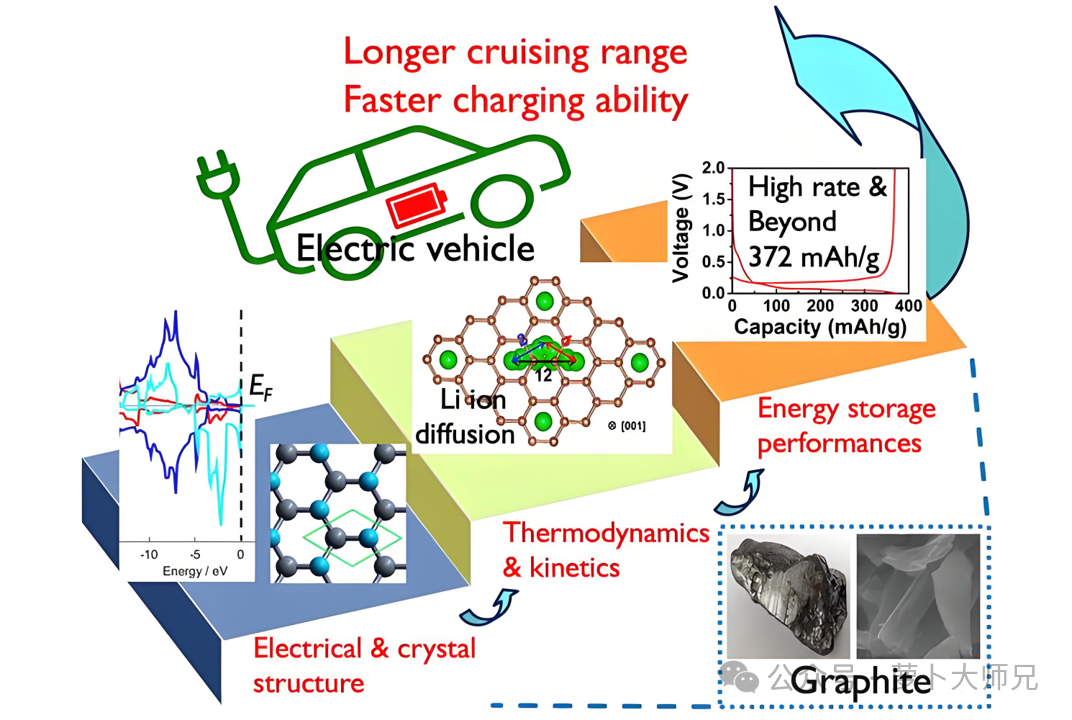
Graphite Anodes Explained: Chemical vs. Electrochemical Lithiation in Lithium-Ion Batteries 2026 update

Graphite Anodes Explained: Chemical vs. Electrochemical Lithiation in Lithium-Ion Batteries Source: WeChat Official Account “Brother Radish” 萝卜大师兄 Graphite anode materials have maintained a dominant position in the lithium-ion battery industry since their discovery. While cathode options have diversified significantly—ranging from Lithium Iron Phosphate (LFP) and Lithium Cobalt Oxide (LCO) to NCM Ternary cathodes—graphite remains the undisputed first choice for the anode. But why is this the case? Join us as we trace the developmental history of the graphite anode and explore how it established its long-standing “dynasty” in the battery world. I. The Discovery of Chemical Lithiation in Graphite (1950s) In 1955, the French chemist A. Hérold immersed graphite into

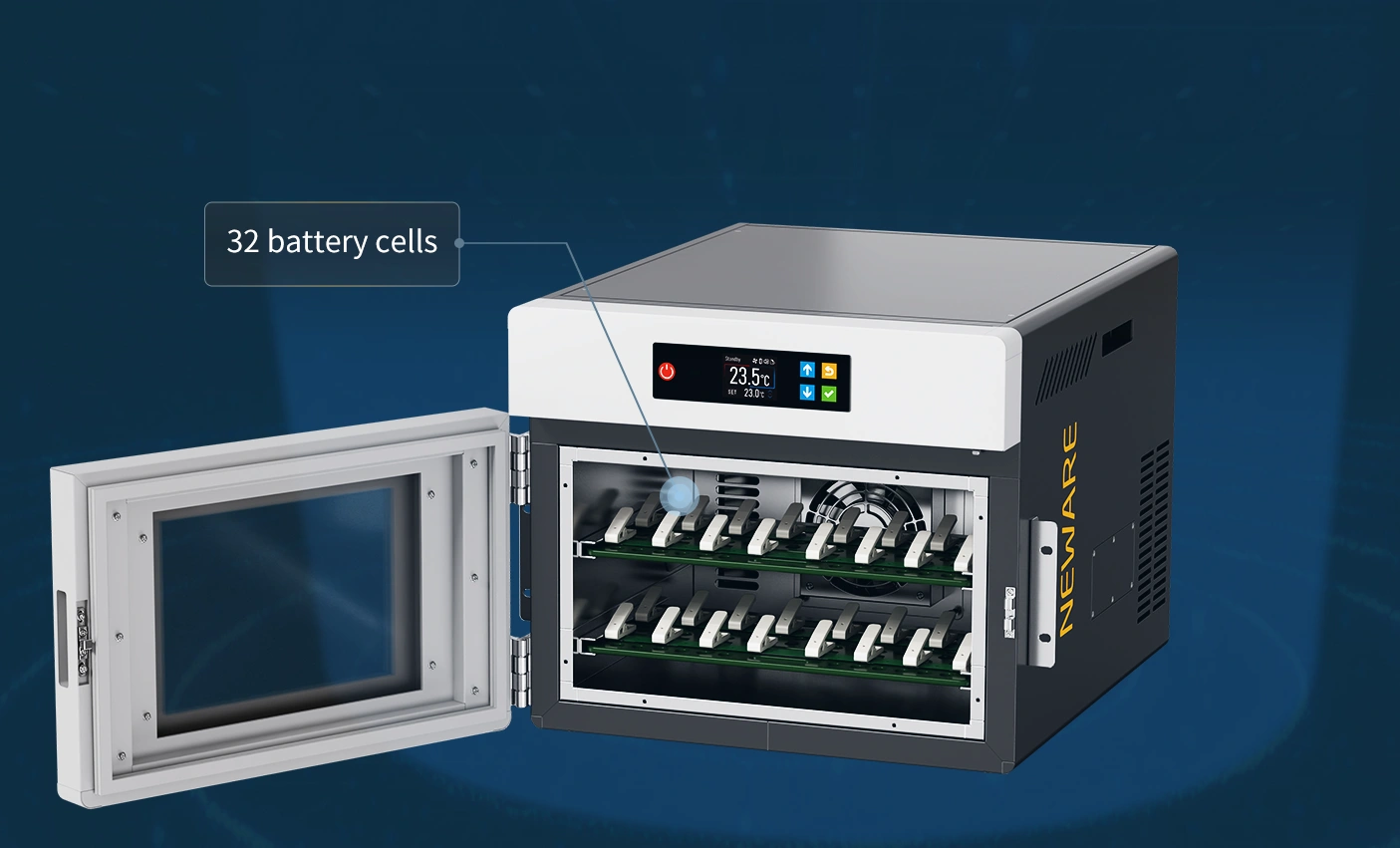
WHW-25L+15C-5V100mA-32CH Mini All-in-One BTS

Neware Mini All in One Battery Testing System 16 CH or 32 CH

NEWARE Mini All in One Battery Testing System WHW-25L+15C-5V100mA-16CH spec     WHW-25L+15C-5V100mA-32CH spec       Neware was founded in 1998. We are trusted by ATL, BYD, CATL, Tesla, Apple, HUAWEI, SolarEdge, etc. We provide battery testing solutions for testing battery cell, module, pack, supercapacitor, BESS, etc. If you want to do capacity, cycle life, pulse, DCIR, GITT, HPPC, or EV driving simulation test, please feel free to contact us.