Neware Battery Testing System

NEWS

Home > News

Lithium Plating

Lithium Plating in Lithium-ion Batteries: Causes and Manifestations 2026

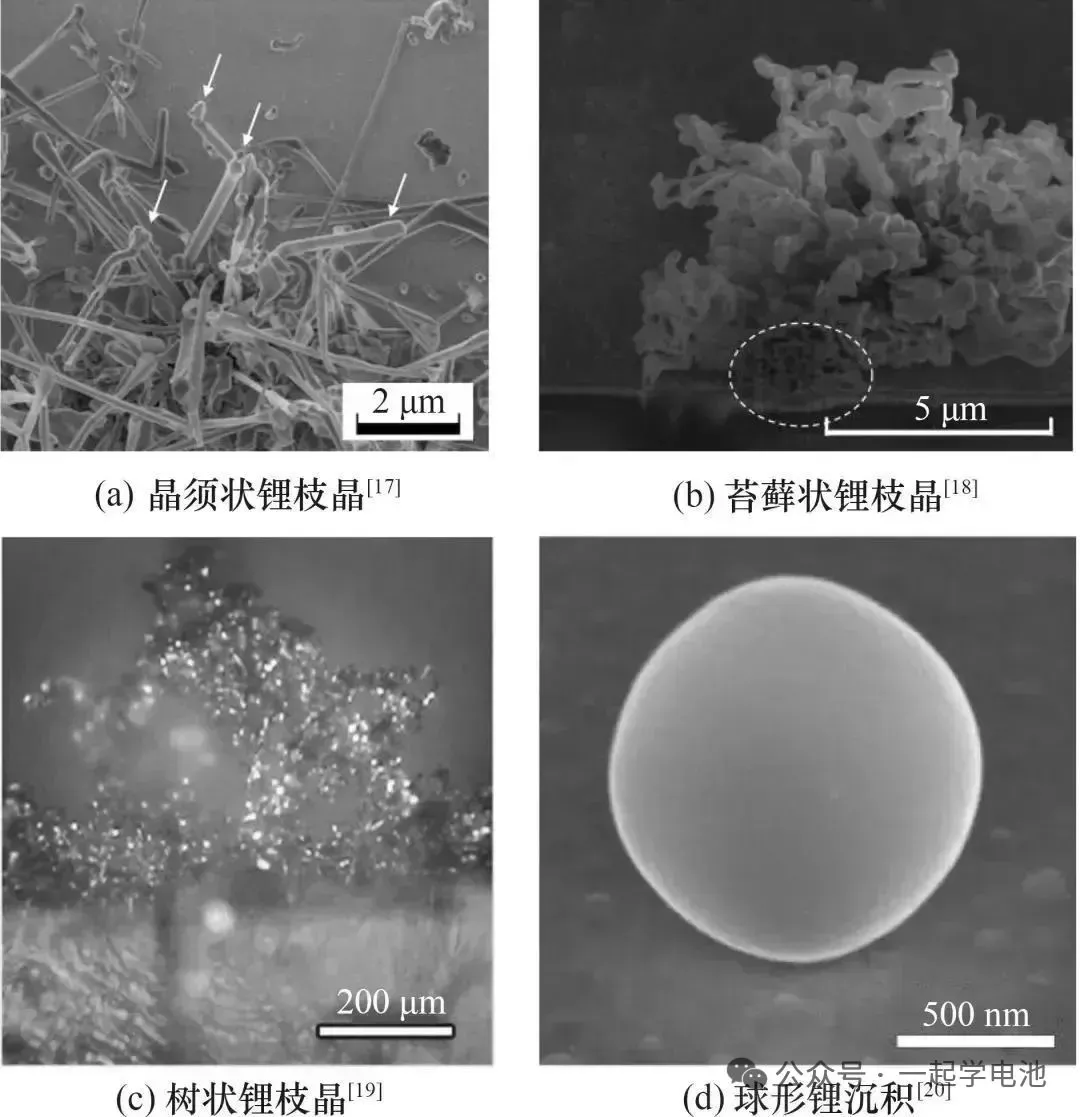
Lithium Plating in Lithium-ion Batteries: Causes and Manifestations I. Why Does Lithium Plating Occur? In simple terms, when the anode cannot promptly accommodate or intercalcate lithium ions migrating from the cathode, these ions “pile up” on the surface of the anode and are reduced into metallic lithium. As this deposited lithium continues to accumulate, it evolves into lithium dendrites. These dendrites typically manifest in four distinct morphologies: whisker-like, mossy, dendritic (tree-like), and spherical.   The main causes can be categorized into two major groups: operating conditions and battery states. 1. Operating Conditions (External Factors) Low-Temperature Charging: This is one of the most common causes. At low temperatures: The diffusion rate
Cathode Materials

Introduction to Cathode Materials for Lithium-ion Batteries 2026

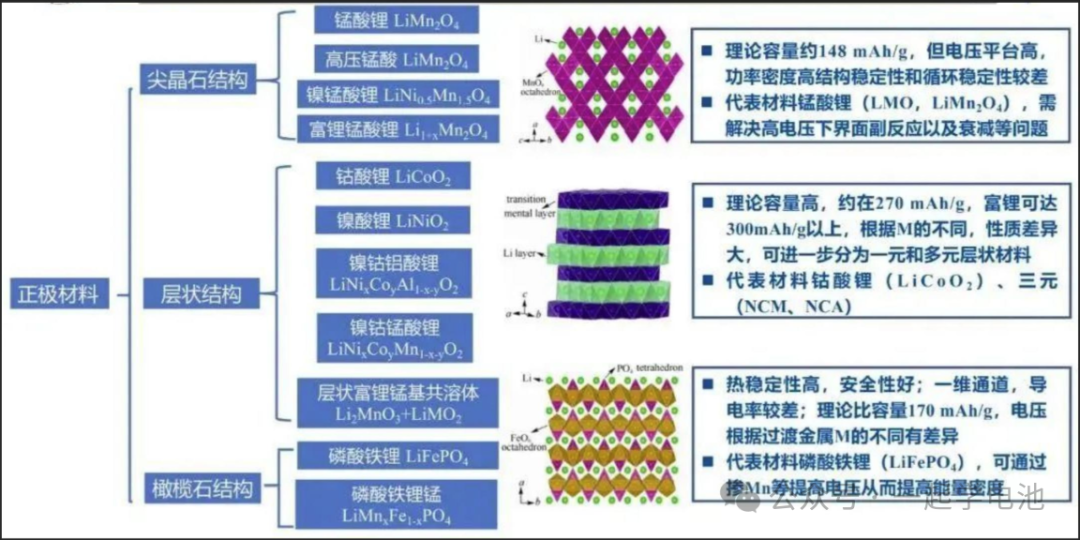
Introduction to Cathode Materials for Lithium-ion Batteries I. Components of a Lithium-ion Battery A lithium-ion battery consists of four primary components: the cathode, the anode, the electrolyte, and the separator. The cathode material is the core component that determines key performance metrics, including energy density, capacity, stability, and safety of the battery. The performance of the cathode material directly impacts the battery’s cycle life, charge-discharge efficiency, and overall performance across various applications, such as electric vehicles (EVs) and consumer electronics. Use Neware battery testing system test your batteries Battery Category Energy Density Requirements Cycle Life Requirements 1. Consumer Batteries • Specific energy of single cell ≥ 260 Wh/kg • Specific

EOL equipment

Neware End-of-line (EOL) testing equipment 2026 update

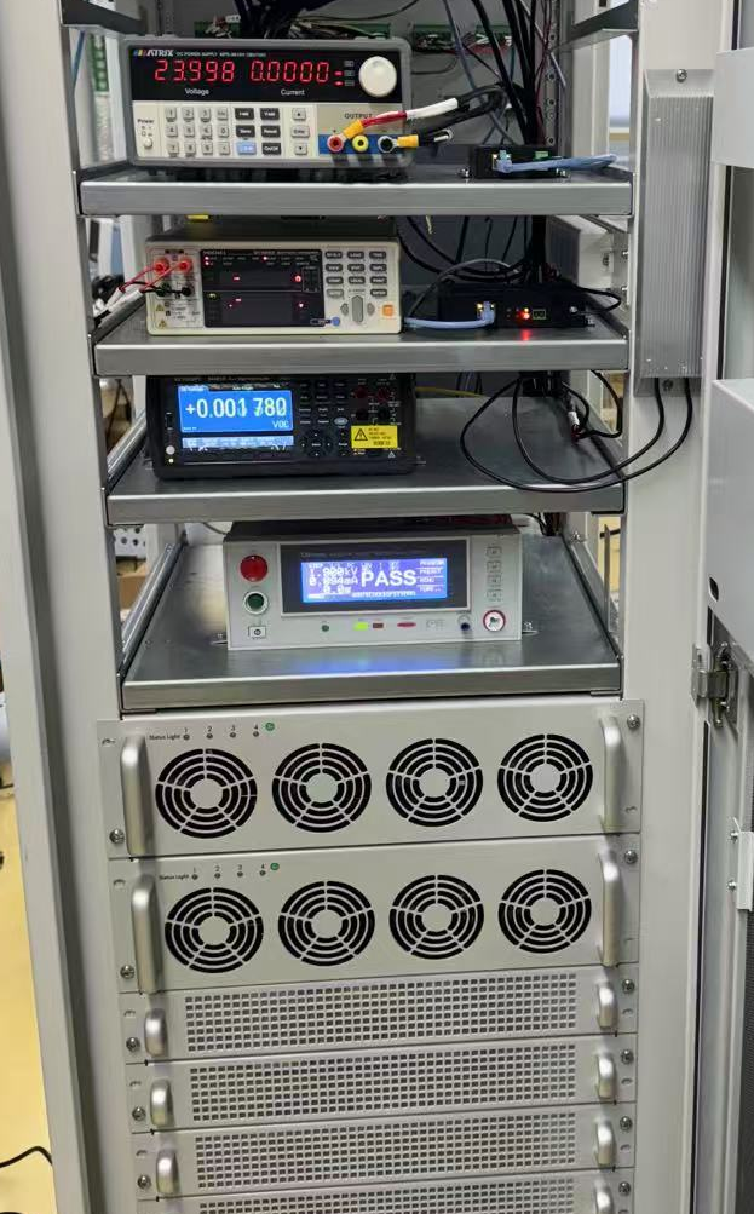
Neware End-of-line (EOL) equipment 2026 update EOL (End-of-Line) testing is the final testing stage in the battery production process. Objective: To ensure that every battery pack meets functionality, safety, and performance requirements before leaving the factory. Testing Goals: Ensure Product Safety and Reliability: Guarantee that products are safe and reliable upon shipment. Early Detection of Manufacturing Defects: Identify defects early to reduce the risk of recalls.   1. EOL Test Equipment List and Functions Equipment Name Model Functional Description Safety Compliance Tester Chroma 19073 Insulation Resistance, Dielectric Withstand (Hipot) Testing Digital Multimeter Agilent 34461A Precision Voltage / Current / Resistance Measurement Battery Internal Resistance Tester HIOKI BT-3563 Cell Voltage, Internal

Na battery working principle

Na batteries: Application and Testing Method Analysis 2026

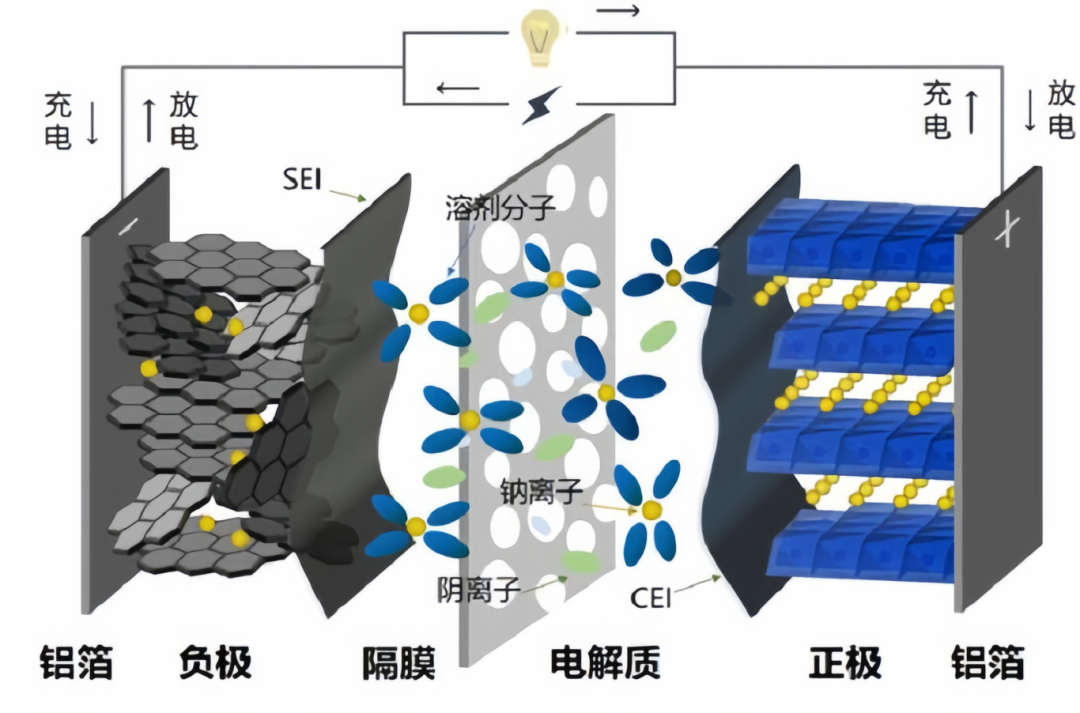
Na batteries (SIBs) are considered a powerful complement to lithium-ion batteries due to their abundant sodium resources and lower production costs, showing immense potential especially in energy storage technology. As a type of secondary (rechargeable) battery, sodium-ion batteries function primarily through the movement of sodium ions between the positive and negative electrodes, operating on a principle similar to that of lithium-ion batteries. The electrode materials for sodium-ion batteries consist mainly of sodium salts, which are more abundant and cost-effective compared to lithium salts.   Working Principle of Na Batteries The working principle of sodium-ion batteries is similar to that of lithium-ion batteries, based on the insertion/extraction (intercalation/deintercalation) process of sodium

PVDF-and-PTFE

Why is PVDF unsuitable as a binder for silicon anodes? 2026 Update

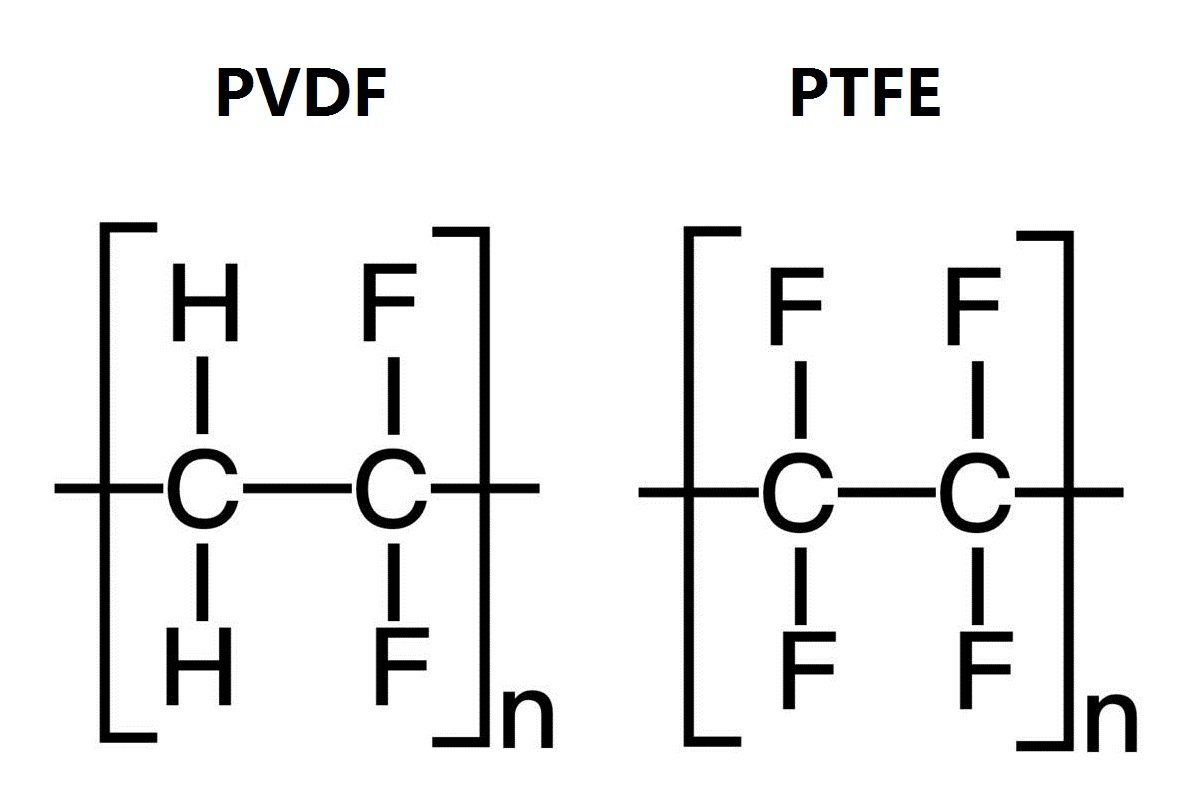
Why is PVDF unsuitable as a binder for silicon anodes? I. Silicon Anodes?     Core Characteristics: 1. Extremely High Theoretical Specific Capacity. Use Neware battery cyclers to test your battery capacity Based on its alloying reaction mechanism (Li₂₂Si₅), silicon has a theoretical specific capacity as high as approximately 4200 mAh/g. This is more than 10 times that of current commercial graphite anodes (~372 mAh/g, based on intercalation). This is the fundamental reason why research revolves around silicon and is the key to achieving next-generation high-energy-density lithium-ion batteries. 2. Suitable Operating Potential The lithiation potential of silicon is approximately 0.1–0.5 V (vs. Li/Li⁺), which is higher than the lithium plating

How to analyze the OCV curve of an LFP battery? 2026 post

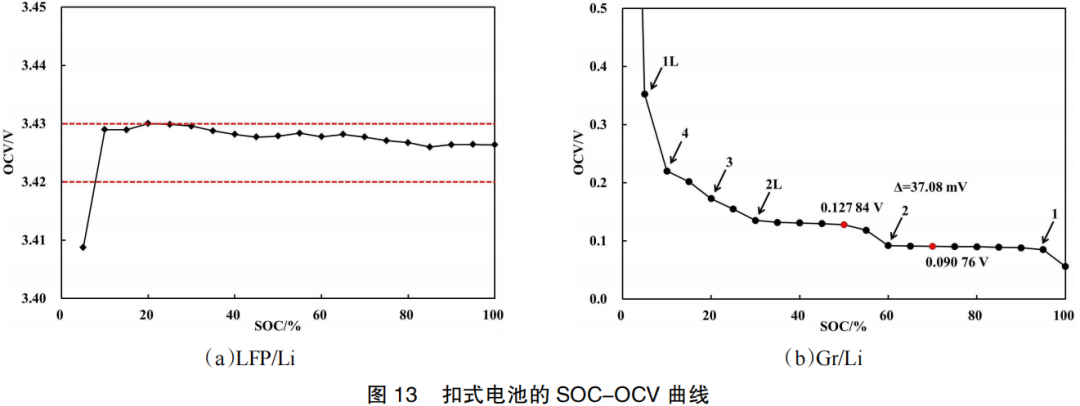
How to analyze the OCV curve of an LFP battery? The Open Circuit Voltage (OCV) method is one of the primary techniques used to estimate a battery’s State of Charge (SOC). Consequently, investigating the SOC-OCV curves of Lithium Iron Phosphate (LFP) batteries is of great importance. Current research focuses predominantly on the precise calibration of SOC-OCV curves and the exploration of specific influencing factors. However, there are few reports regarding the effects of active materials, capacity fade, silicon doping, and lithium supplementation on OCV curves. Furthermore, there is a lack of explanation concerning the cause of the voltage step near 60% SOC in LFP/graphite batteries, as well as the relationship